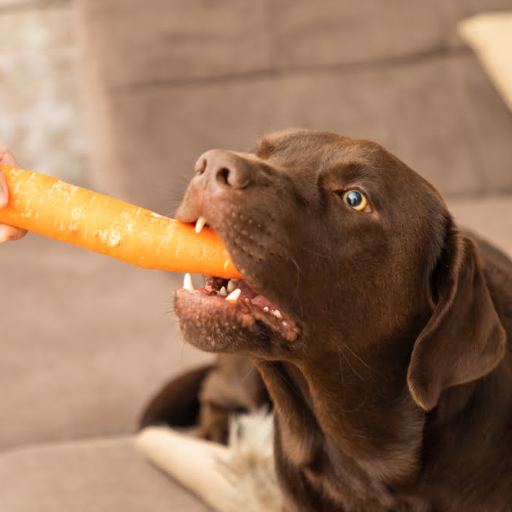
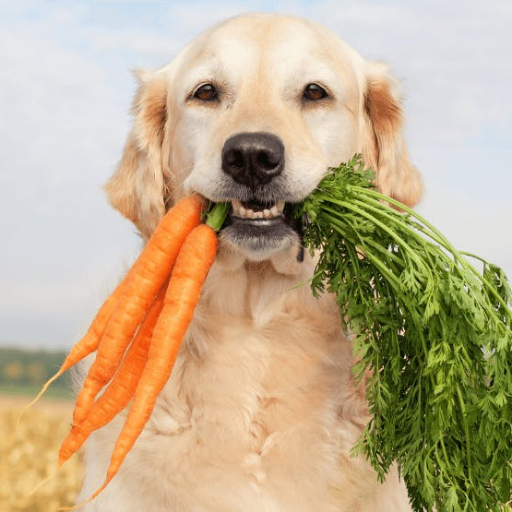
Carrots are a common and healthy snack for people, but could be a wonderful scoopable snack for your pet dog too. Many pet owners ask the question, ‘Can dogs safely eat carrots?’ and if so, what benefits might come from it. In this article, we delve into the nutritional value of carrots for dogs, their effects on health, and best ways to introduce them into their diet. If you are searching for a way to bring improve your dog’s health, **add** carrots to the mix. Read this article to learn all that is necessary about feeding carrots to dogs.
Are Carrots Good for Dogs to Eat?

Carrots’ Nutritional Benefits in Relation to Dogs
It is safe for dogs to eat carrots and they may even help to improve their health. Carrots are a great source of vitamins A, K, and B6, and they also contain important nutrients such as fiber and potassium. Carrots support a dog’s vision, skin condition, and immune system due to the high vitamin A content. Carrots also help in the digestive process, and their raw fibrousness can also act as a dental cleanser. Carrots are low-calorie treats so they are perfect for dogs that need to manage their weight. Moderation is key when feeding dogs carrots, as they contain a high amount of sugar which can upset their digestion.
The Benefits of Carrots as a Supplement to Commercial Dog Food
Carrots are rich in vitamins and minerals that can help maintain a dog’s overall health, so they can compliment commercial dog food very well. One of the most notable vitamins is vitamin A which supports proper eyesight and a dog’s immune system. Carrots also contain dietary fiber which improves digestion and bowel movements. The crunchy texture of carrots helps with a dog’s chewing while also serving as a fun new option. Dogs can be given raw carrots as a snack or with dog food in a steamed form. Remember to chop the carrot into safe bite sizes, control portions, and monitor a dog’s dietary needs.
Vitamins and Minerals Your Dog Gets from Carrots
Carrots are a great addition to my dog’s diet because they provide them with essential vitamins and minerals. First and foremost, carrots are a great source of vitamin A which aids in strengthening eyesight, boosting one’s immunity as well as maintaining skin health. Carrots also contain vitamin K that is important for blood clotting and bone health. Moreover, carrots come with natural potassium and beta-carotene which are wonderful for cellular function and provide antioxidant value. Adding carrots to my dog’s diet makes me confident that I am providing them with a delightful, nutritious snack.
How Many Carrots Can Dogs Safely Eat?

Recommended Serving Sizes Based on Dog Size
How many carrots your dog can eat safely depends on their size and dietary needs. Small dogs like Chihuahuas and Dachshunds can be given one baby carrot or a few small slices of carrot daily. Medium-sized dogs like Beagle and Cocker Spaniel can consume 2-3 baby carrots or equivalent slices each day. Large dogs like German Shepherds and Golden Retrievers can be given up to half a full-sized carrot or 4-5 baby carrots a day.
Remember, while healthy, carrots should be snacks or additional garnishing to meals and not a replacement. Always incorporate carrots slowly to avoid any digestive disturbance. If you have concerns, specific dietary restrictions, or question, consult with a veterinarian first.
Can Puppies Eat Carrots Too?
Carrots can be a healthy treat option for puppies, but they should only be given in moderation. Carrots are also a great source of several vitamins and helps in maintaining your puppy’s eyesight and the immune system. Hence, they are a rich source of vitamin A. For puppies who have more sensitive teeth and smaller mouths, it is best to offer them carrots that are bite-sized. Alternately, steaming them could also make it easier for the puppies to chew. While giving your puppy new foods, always supervise them and watch out for any discomfort or signs of allergies. It is best to consult your vet for any doubts before adding carrots into the puppy’s diet.
Here’s How To Tell If Your Dog Is Eating Too Many Carrots
Observing your dog’s behavior may give away a lot if they’re consuming an unhealthy amount of carrots. For instance, in my experience, one of the most common signs a pet shows is having a stomach upset. Eating excess carrots can lead to a pet having a disrupted metabolism and thus showcase symptoms like diarrhea or stomach discomfort. Also, far too many carrots may lead to your dog’s stool becoming a faint orange color because of the beta-carotene. While this may not be too harmful, it is important to note that moderation is key and I personally prefer using carrots as an infrequent supplement to my dog’s meals. If for some reason you have never had any experience with dogs and are unsure about the suggested dosage, check with your vet.
Raw vs. Cooked Carrots: What’s Better for Your Dog?

How Dogs Benefit From Eating Carrot Sticks
Dogs enjoy raw carrots as a crunchy and fibrous snack. The act of chewing raw carrots can help with plaque removal and overall dental health. They also make for a great dietary addition to overweight dogs, as they are low in calories and fat. Carrots do not lose any nutrients or vitamins such as potassium, vitamin A, and antioxidants, all of which promote the health of dogs. However, larger carrots need to be chopped into bite-sized pieces since they are firmer, which will help avoid choking hazards for smaller dogs.
How To Soft Cook Carrots for Dogs
Before cooking, it is crucial to properly prepare the carrots. First, wash them under running water to get rid of dirt and pesticide residues. Even if the skin of the carrot contains some nutrients, it is safe to peel it first. After that, chop the carrots into smaller portions. This ensures that they can be chewed and digested easily. Boil or steam the carrots to a level where they are tender but not overly mushy, as this will decrease their nutritional value. Also, refrain from adding seasonings, butter, and oil, since these can be harmful to dogs. Allow the carrots to cool down after cooking them, which makes them a perfect addition for dogs that have issue chewing raw carrots. Ultimately this makes for a nutritious, safe treat.
Frozen Carrots as a Refreshing Dog Treat
Carrots make for a great treat; however, you can double its benefits by freezing it for your dog, especially in hotter climates. Dogs love to chew, even the teething puppies; hence carrots can prove to be great soothers. If you wish to freeze the carrots, make sure to wash it thoroughly and cut it into bite-sized pieces for the dog, then, you can place it in the freezer. Nothing is better than a good treat that is both healthy and safe. Always keep an eye on your dog, that way you can ensure their safety and monitor them to see that they are not chewing on pieces that are too large to swallow.
Creative Ways to Feed Your Dog Carrots

Using Carrots as a Healthy Dog Treat
Carrots can make a great option for a dog treat due to their nutrition benefits and versatility. They can be served raw as a crunchy snack that assists in cleaning a dog’s teeth. For dogs with sensitive teeth or chewing issues, cooking them is a good idea. Cutting carrots into certain shapes or freezing them can be tried for additional fun. For soft and smooth dogs meals, pureeing carrots can add extra vitamins and minerals. Always remember to wash and peel the carrots while cutting them into proper sizes to avoid choking.
Dried Dog Treats with Carrots
Dried carrot treats are simple to make and nutritious for your dog. To prepare, you must first scrub the carrots clean and peel them to get rid of any dirt or pesticides. Carrots should be cut into thin, uniform rounds so that they dehydrate evenly. You can use a food dehydrator or set your oven to a very low temperature of 120-140°F (50-60°C). The slices of carrots should be placed in a single layer and dehydrated for several hours until they become dry and slightly crunchy. Dried carrot treats are a healthy snack that is simple to store and carry. Just be cautious with the amount you give your dog at first. Always supervise your dog during snack time.
Combining Apples or Blueberries with Carrots
When incorporating carrots into different fruits and vegetables, my focus is on what is both dog-friendly and safe. Carrots can also be matched with apples (without the core and seeds), blueberries, green beans, and even sweet potatoes. More often than not, I dice all the ingredients into sufficiently small pieces so that my dog can easily chew and swallow them. I also pay attention to balance and refrain from going overboard with fruits because of their sugar content, and ensure that I do not include poisonous foods for dogs, like grapes, onions, or garlic. Adding nutritious foods to carrots allow me to prepare different wholesome snacks for dogs that they will love.
Can Carrots Help with Dog Dental Health?

How Carrots Can Help Keep Your Dog’s Teeth Clean
Carrots can help support a dog’s oral health. The harsh fibrous structure of carrots helps to remove plaque and tartar build up as a dog chews on it which consequently improves breath. Moreover, traditional dog treats with high sugar levels can lead to dental problems, but for dogs who have a sweet tooth, carrots prove to be a better replacement as they are low in sugar and low in calories. While carrots do aid in maintaining oral hygiene, they do not eliminate the need for brushing and professional cleaning. Rather, they help improve a dog’s overall dental care routine.
Using Carrots as Natural Dental Chews
In my experience, carrots have made my dog’s dental care routine so much easier. Watching my dog munch on a raw carrot pleases me because it’s wonderful to see how it helps reduce plaque build-up. Carrots are very economical, and as an added bonus, they’re low in calories, which means I can spoil my dog without feeling remorseful. While I make certain that I continue brushing and taking the dog to the vet for checkups and professional cleanings, it has certainly been a win for my dog’s dental health!
Reference sources
Frequently Asked Questions (FAQs)
Q: Are dogs safe to eat carrots, or are they harmful to a dog’s consumption?
A: There is no indication that they are harmful to dogs. In fact are safe and nutritious, low-calorie snacks for dogs. The nutrition that carrots have to offer include several important vitamins and minerals, as well as fiber, which contributes to optimal health. The crunchy texture of carrots can help clean the pet’s teeth, thus promoting dental health. Carrots, however, should be cut into the right size depending on the size of the dog to prevent choking. Just like any other treat, it should be given in moderation.
Q: How should I give your dog carrots – raw, cooked, or frozen?
A: You may provide your dog with carrots in different forms. Raw carrots are crunchy and good for maintaining good dental hygiene. Cooked carrots are softer and more pleasant to eat. Whole frozen carrots can be a special treat for your dog during hot weather. However, you should wash them thoroughly so that any pesticides or dirt are removed. When first introducing carrots to a dog’s diet, stasis with small amounts as they may have some issues with digestion. Do not forget that carrots can be part of your pets food, but only in small portions.
Q: Carrots can be a great addition to a dog’s diet. How many can you safely feed?
A: Dogs of all sizes can enjoy carrots as a healthy low-caloric snack, but should be eaten in moderation. In the case of treats, whether it’s a biscuit or a carrot, it is advisable that no more than 10% of a dog’s diet should be made up of caloric intake. Depending on the dog’s size, activity level, and attitude towards carrots dictates how many are best suited. Smaller dogs can be fed a few small pieces of carrot every day while larger dogs can tolerate much more. Always ensure that you are monitoring for any digestive issues, including loose stools after straying from your dogs usual diet. If worrying about portion sizes you shouldn’t shy away from seeking vet advice.
Q: What are the health benefits of carrots for dogs?
A: Carrots are a positive addition to the hamster’s diet carrot is an easily accessible food that is often consumed in large amounts.Treating overweight pets can be simple as carrots are low in calories and are rich in fiber which makes it healthy for dogs. We all know the saying ‘an apple a day keeps the doctor away’ here comes the twist ‘a carrot a day keeps eyes clear.’Oh wait we are not done.’ Carrots also contains B C D E K and minerals that helps skin and fur.’Not to mention the mechanical benefits of chewing such as teeth and gum cleaning also destroys the remaining food particles left after the binging session and of course aiding in digestion which ensures the gut is protected. All these great benefits make carrots a perfect addition to your dog’s diet.
Q: Are there any concerns when giving your dog carrots?
A: It is always good to keep in mind that dogs cannot digest issues cellulose, which can lead to mild digestive discomfort. Furthermore, carrots can pose a choking hazard if they are not cut into the appropriate size for your dog. If your dog has any dental issues, frozen carrots can be particularly harmful. Dogs with preexisting conditions such as diabetes, with the sugar content of the carrot, should be concerned because their intake of carbohydrates needs to be controlled. Regardless, carrots should be added like any other new food; gradually, and with keen monitoring for unwanted reactions.
Q: What are the best ways to prepare carrots for dogs who are picky eaters?
A: If your dog does not seem to want to eat carrots, you may want to try other ways of preparing them. Some dogs may prefer cooked carrots instead of raw ones because they’re softer. You may choose to steam or boil carrots until they are tender, and then you can mash them and mix them with their food. If they are raw, you can grate carrots and sprinkle them over their food. For variety, you can make special snacks by freezing carrot puree in ice cube trays. If your dog is not too picky about commercial dog food, you may also consider trying some carrot-flavored dog treats. Make sure to give yourself time – it may take a lot of tries before your dog actually enjoys the carrots. The sweetness that is present in carrots can aid you in figuring out which preparation method is best suited for your dog.
Q: Why are carrots good for dogs’ dental health?
A: Carrots can help support dental health in several ways. The raw carrots have a crunchy texture which can help scrape plaque off the dogs teeth and acts as a natural toothbrush. This can reduce tartar build up and freshens breath. Additionally, chewing encourages the production of saliva which maintains oral health. While being beneficial, carrots should not replace proper dental care like brushing and professional cleanings. Carrots are just a part of the step taken to maintain your dogs dental hygiene and oral health.
Q: Can dogs under a year old consume carrots, and is it safe for puppies to have them?
A: When properly prepared, puppies can eat carrots without any negative effects at all. For dogs still teething, frozen or cold carrots will help soothe sore gums. However, ensure the carrots are cut into very small manageable pieces to make it puppy safe, as they are at a greater risk of choking than adult dogs and puppies tend to choke more often. Puppies may benefit from soft, cooked carrots as they are easier to chew and easier to digest. And just like with adult dogs, moderation should be observed when including carrots to the puppy’s diet. They can also suffer from some digestive upset though not as severe as adult dogs. Dogs should ideally be given carrots as an added treat and they aid in boosting the nutrition of a growing puppy.