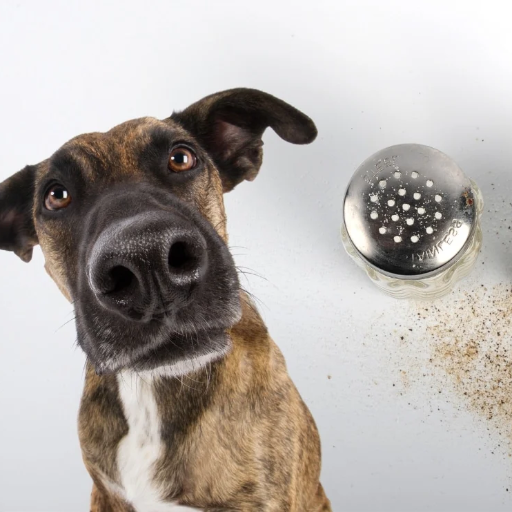

Fueling an animal greatly determines its living standards and wellbeing, improving a pet owner’s life as well. Some have mixed opinions on what sodium is used amongst dogs food, fueling the owners own sense of understanding. Is salt something that dog needs or maybe is it something that has no value at all? The sole purpose of this article is reviewing sodium intake in canine food, so it explains what its hindrances and advantages are. Knowing how sodium helps dogs and why balanced nourishment is crucial, you shall be able to better assist your four legged friend. Paying deep attention, uncover the useful pieces of information and advice regarding dogs wellbeing.
How Much Salt Do Dogs Need?

Dogs require a small amount of salt in their diet to support vital functions in the body, including hydration and electrolytes, as well as nervous and muscular activity. Most commercial dog foods provide the requisite amount of salt. Nevertheless, excessive salt can be harmful leading to dehydration, increased blood pressure, or sodium poisoning. Always provide fresh water and seek veterinary advice if concerned about salt intake.
Dogs and Salt: How Much is Too Much?
The quantity of salt in a dog’s diet can impact their overall health. The Association of American Feed Control Officials (AAFCO) states that adult dogs have a minimum dietary requirement of 0.3% sodium per day. That would equal approximately 100 mg of sodium for every kilogram of body weight per day. This small but vital number aids in efficiently working dog functions such as nerve signaling, muscle contraction, and fluid balance.
While salt is necessary for sodium ion equilibrium within the body of any living organism, over-usage can be dangerous. Sodium ion poisoning from excess salt is common in dogs. The symptoms include vomiting, diarrhea, excessive thirst, and in severe cases, convulsions or even death. Dogs consuming increased levels of salt face these health issues. Processed meats and human snacks such as chips should be avoided at all costs.
Commercial dog food is tailored towards fulfilling the dietary and nutritional requirements of animals, and thus their sodium need is not exceeded. Most dogs will not have any issues. However, those suffering from chronic diseases, such as heart disease, high blood pressure, or kidney disease may require a controlled sodium intake. In the case custom diets are needed, it is advisable to seek expert help from veterinarians.
Ensuring fresh water is constantly available to the dog is important for maintaining optimal hydration levels, thus aiding in the prevention of sodium imbalance complications. Assuring proper hydration is also critical. Keeping an eye on your dog’s diet and exercise will make sure their overall salt intake is managed according to their specific health requirements. This will allow them to age gracefully and maintain a balanced, active life.
Why Dogs Need Salt in Their Diet
In part one’s scenario, dogs can obtain the necessary sodium from packaged food, which contains salt, or naturally through other animal protein. But can dogs actually eat salt? Is it beneficial or harmful? Great Britain’s performance dog nutritionist, Andrew Hood said: “I remember noticing how highly skeletal dogs in shelters responded to salt. Those dogs were given very little food, provided only with scraps. When finally given real meat, they were devoured by fleas, as well as the being depilated by salt. Supplementing their diet with salt worked wonders, but they had no access to it naturally.” By doing extensive research on dogs consuming salt and nutrients, I conclude that primary minerals and secondary salt sineeses are essential for animals with high protein levels.
Salt isn’t an organic material like carbohydrates or fats which can be utilized best when dogs are gaining weight, so it supports them. Those materials need to be ingested in smaller portions, however too small doses cause malnourishment. Portion control is vital for every dog. Similar to carbohydrates and fats, salt helps carbs and fats sustain necessary body functions. Salt or sodium chloride improvements functions as stimulation for smooth dogs muscles or glyceric strata. Dogs need the correct total of salt and nutrients needed for effective functionality.
Carrying on with the last sentence, I would like to add that dogs not only require carbs and nutrients, but also an accurate balance of salt. Too much sodium leads to hyperactivity and agitation, while too little will greatly weaken a dog. However dogs are capable of self regulating their body before salt becomes toxic.
Over the years the ludicrously high levels of sodium brought lots of criticism, especially from Colin McDonald and Caroline Brown who strived to make treats for dogs pure. As well as Andrew Hood supports Veterinary Examination, denying the myth that these products only exist thanks to monetary gains. As a response to false information on dog nutrition, Hood has devoted years to acknowledge real numbers which lesser known authors used to achieve.
By understanding your dog’s requirements and conducting timely veterinarian consultations, you can ensure your dog receives the exact dosage of salt necessary for maintaining health and vitality.
Excess Sodium Consumption in Dogs
Consumption of excess salt may lead to Sodium Ion Poisoning. If not treated early, sodium ion poisoning can turn fatal. As cited in veterinary literature and existing sodium ion poisoning data, signs may include vomiting, diarrhea, excessive thirst, intermittent urination, lethargy, and tremors or in severe cases, seizures or coma.
Keeping all other factors constant, the harmful value of salt varies with the size and health of your dog. Some studies suggest a dog may start suffering from salt toxicity at 2-3 grams of salt per kilo, although more sensitive dogs may suffer at much lower quantities. For example, certain salted snacks like pretzels or even chips pose a threat as they contain high sodium levels, especially for small breed dogs.
If you think your dog has taken in too much salt, it is important to watch for signs of intoxication and reach out to your veterinarian for tailored advice. Early action minimizes the risk of serious complications and helps keep your pet safe. Always maintain a healthy diet for dogs and avoid providing overly salty snacks or foods to mitigate these dangers.
What Happens if a Dog Eats Too Much Salt?

Too much salt can lead to poisoning in a dog, which is also known as hypernatremia. Some of the symptoms would be: Vomiting, diarrhea, extreme fatigue, excessive thirst, seizures, and in extreme cases, death or a coma. Salt poisoning happens when a dog consumes too much salty food or lacks fresh water. If you think pooch consumed too much salt, make sure to offer water, and reach out to the vet. Your dog’s health and wellbeing can be protected with prompt treatment.
Identifying Signs of Salt Poisoning in Dogs
Hypernatremia or salt poisoning can surface as various symptoms which sodium toxicity when the salt level in the blood increases as the body expends resources trying to flush out the excess sodium from the body. Give the dog water so they can drink, and remove their food to detect excessive thirst and urination as possible indicators. Symptoms such as Include vomiting, diarrhea, and even lack of appetite are also possible symptoms. More serious symptoms such as lethargy, uncoordination, muscle twitching, seizures, or other generally sluggish movements manifest can signal advanced toxic effects, and rarely result in a severe state like a coma or death.
Veterinary experts indicate that harmful levels of salt in dogs start at around 2 to 3 grams of sodium per kilogram of body weight. In the case of smaller dogs, a handful of distinctly salty snacks or sonorous seas would be enough to tip the scales of sodium toxicity. A handful of food packed with sodium or brine could induce life-threatening electrolyte imbalances.
If any of the aforementioned symptoms arise, your dog exhibiting such signs or suspected salt poisoning, then removing access to freely obtain water is immediate priority. In this case, allowing free movement to water sources aggravates the situation. Contact a veterinarian immediately, as necessary treatment may involve IV electrolyte pumps in case of stark imbalances. Early treatment mitigates any health risks from long term exposure.
First Aid Protocol for Dogs
- Remove Access to Sodium: Prevent further access to sodium as this would only escalate the issue.
- Provide Always Water: Allow access to fresh water but only in small sips to enable them to replenish losses without exacerbating heavier losses.
- Contact a Veterinarian: Call your local veterinarian for advice or bring your dog for an evaluation in case they are lethargic or do not want to eat for a long period of time. Professional help is needed if there are symptoms of salt poisoning as it is a serious condition.
- Follow the Vet’s Instructions: Should the doctor ask you to go to the clinic, follow through with the check ups and treatment, which might include replenishing IV fluids to improve electrolyte range and restoring balance.
Long term Consequences of Put Excessive Salt on the Dogs Health
Too Much put on salt can cause severe damage to a the dogs health over the long sustainable repercussions. Considerable amounts of chronic conditions could be caused such as constant attacking kidney failure, high blood pressures, and electrolyte primes which are quite out of balance. Veterinary reports have remarked that even minute quantities of salts, which are above the daily prescribed quantity of 0.5% to 1% of the dog’s food intake could lead to unwanted factors depending on the size and health of the dog.
Recent research indicates that chronic high salt diet may lead to the deterioration of kidney function in dogs as the kidneys have to work extra to process the additional sodium. Furthermore, this can result in cardiovascular complications in the long term since salt is known to increase cardiovascular strain. Highly salted foods can lead to persistent dehydration in dogs which greatly diminishes their quality of life.
Responsible pet owners need to strictly eliminate table scraps and choose nutritionally balanced commercial foods approved by associations such as AAFCO to keep their dog’s diet in check. Providing adequate fresh water while managing salt intake will help maintain the pet’s long term health and wellbeing.
Is Salt in Dog Food Safe?

Yes, salt in dog food is safe when included in the appropriate amounts. Most commercial dog foods which are regulated by bodies like AAFCO includes the salt requirement in appropriate amounts considering the dog’s diet. Althought, too much salt can also lead to dehydration or health issue like sodium ion poisoning. Make sure to purchase dog food from trusted brands and it’s always good to reach out to a vet for any questions regarding the dog’s diet.
Understanding Sodium Levels in Commercial Dog food
The sodium levels in dog food are controlled very strictly ensuring that they meet the needs of the dog while not being harmful to them. AAFCO sets the primary limit of 0.3% sodium for dry dog foods which is appropriate during the maintenance and growth stage for adult dogs. Moreover, this helps during physiological functions such as signaling the nerves as well as hydration.
Numerous high-end dog food brands share the package nutritional data, so pet owners can check the amount of sodium included. As an example, well-known brands may include between 0.3% – 0.5% sodium in their recipes, which is generally acceptable for most dogs. However, some special diets for dogs with heart or kidney problems often have lower sodium levels (0.1% – 0.2%), as advised by the vet.
Also, consuming food high in sodium does pose a risk, especially for dogs suffering from other health issues. A dog’s pre-existing conditions, such as hypertension or renal disease, worsened by these treats which include table scraps of highly salted processed meats or chips.
Always check the label on your selected dog food and with your pet’s veterinarian for tailored recommendations, so you don’t have to worry about sodium levels. Different brands, and even formulations, can be suggested by veterinarians tailored to the dog’s health, activity level, and life stage.
Determining the Salt Content in Pet Foods and Treats
Assessing the salt level in your pet’s food and treats should begin with understanding what is recommended for dogs. The Association of American Feed Control Officials (AAFCO) states that for adult dogs, the food should provide at least 0.3% sodium on a dry matter basis. This amount supports normal bodily functions; the maintenance of fluid balance, nerve signaling, as well as muscle contraction. On the other side of the coin, too much sodium is unhealthy, especially for dogs that are likely to suffer from heart disease or kidney complications.
Some commercial dog foods will provide their sodium content on the labels, while others will omit the figure entirely. It becomes even more important to pay attention to sodium levels in specialized diets such as those formulated for older dogs or for pets with certain medical conditions. Some studies suggest that high sodium treats such as jerky or processed meats could far exceed the daily limit pushing the threshold toward hypernatremia if consumed regularly. These levels can be monitored using nutritional calculators, apps, or dietary balance software.
Product reviews and recent examinations show that many premium brands, like Hill’s Science Diet and Royal Canin, fulfill certain dietary requirements and control sodium levels. If unsure, consider discussing the matter with your veterinarian so that they can evaluate your dog’s nutrients and confirm if their diet is truly geared towards assisting long-lasting health.
The Importance of Sodium Chloride in Dog Nutrition
Maintaining a dog’s health requires sodium chloride, or table salt, which is very helpful in maintaining good health. It aids in nerve control like muscle contraction as well as fluid balance. As per AAFCO (American Association of Feed Control Officials) guidelines, For adult maintenance, the dog food must contain at least 0.3% sodium on dry matter basis. This allows dogs to have sufficient sodium to assist vital processes without excessive consumption.
Nonetheless, the amount of sodium needed is greatly influenced by a dog’s size, age, developmental changes, levels of physical activity, and pre-existing health conditions. For example, some dogs with certain heart or kidney conditions may require a low-sodium diet to reduce the organ’s workload. As highlighted in the Journal of Animal Physiology and Animal Nutrition, healthy dogs can tolerate moderate sodium intake with no adverse effects, however, excessive sodium over time may result in hypertension or damage to some organs.
Aside from these factors, many top-tier brands of dog food follow strict guidelines, which ensure that the balance of sodium is neither too high nor too low. For example, Hill’s Science Diet uses controlled sodium within recipes meant to address specific health concerns, like heart care. The same practice is done by Royal Canin who has bred and life stage specific formulas which also take sodium levels into consideration.
Monitoring nutritional labels remains essential, particularly when looking after pets. A veterinarian can assist in evaluating dietary concerns and recommend adjustments for maintaining good health, supporting overall wellness. By providing routine health checkups, pet owners are able to address any concerns regarding sodium intake.
Can Dogs Eat Human Food with Salt?

Dogs are able to consume a few types of human food with salt, but only in very small portions. A limited amount of salt is acceptable for dogs as sodium is an essential component of their diet. Ingestion of excessive salt can cause serious complications like dehydration, sodium ion poisoning, or even advanced problems like hypertension. Foods such as chips, processed meats or other salty snacks which are heavily seasoned with salt are better to steer clear from. If you are not certain of some particular food to your dog, it is always a best option to talk with licensed veterinarian.
Potential Threats of Human Food to Dogs
Some seemingly benign human foods can be a major threat to dogs’ health. For instance, chocolate contains theobromine and caffeine, which are not easily digestible by dogs. These symptoms might include vomiting, diarrhea, rapid breathing, and in more severe cases, seizures or death. Veterinary studies report that dogs can become toxic from as little as 0.03 ounces of dark chocolate per pound of their weight.
Raisins and grapes are additional foods that can cause poisoning in dogs. Studies show that even a small amount can cause severe and sudden kidney damage. While the precise poisonous compound remains elusive, lethargy, vomiting, and decreased urine production (possibly life-threatening to untreated) are some of the common symptoms.
Foods that contain xylitol—an artificial sweetener used in sugar free chewing gum, candy, and baked goods—pose a severe danger to dogs. A dosage from 1-15 mg per dog is sufficient to cause a rapid release of insulin which will lead to hypoglycemia(accounted 30 minutes to over 2 hours). This medical complication can lead to confusion, seizures, and even liver failure. The Pet Poison Helpline states that rising numbers of cases in the past decade is due to increase in use xylitol in household products.
If you own a dog, it is your responsibility to ensure their well-being. In this case, researching about the dangers and aiming to fight avoid them is a requirement. If unsure, one should always refer to a veterinarian or reliable sources on pet safety. Having a balanced pet diet is essential for good health.
Safe Substitutes of Table Salt for Dogs
Focusing on options that do support a dog’s health without excess sodium or harmful additives is paramount. This is the case, for example, with dogs and table salt. There are multiple balanced dog diets which come pre prepared and provide sodium in adequate quantities, puppies and adult dogs to support basic physiological needs. While it is now known that sodium bia sate may lead to hypertension, dehydration, or in severe cases even sodium ion poisoning, the provided sodium bia sate, ensured through a balanced麵 dog food can stave off these ailments.
As an example, Himalayan pink salt might be good in controlled amounts due to the possible trace minerals which may benefit dogs. It has to be emphasized however that these minerals must only be received under professional supervision by a veterinarian. Unlike the previous suggestion, the addition of natural delicacies like carrots, green beans or even pumpkin allows for enriching diets without nameable amounts of extra salt.
Moreover, new research highlights the importance of monitoring sodium levels in ready-made snacks for dogs, as some products have very high sodium content. A better alternative to these snacks are low-sodium or homemade treats prepared with dog-safe ingredients. As always, tailor a canine diet with a veterinarian to specifically optimize dietary needs for best health outcomes and foster sustained well-being.
Monitoring Sodium Intake from Homemade Dog Food
Maintaining balanced sodium levels is crucial for the overall health of pets when cooking homemade dog food. Healthy adult dogs are estimated to consume approximately 0.2% sodium in daily diet, as advised by the National Research Council (NRC). Roughly 100 milligrams of sodium per 100 grams of food is advisable. Pregnant or lactating dogs along with puppies usually require higher sodium intake owing to differing physiological demands.
Studies suggest that dogs garnering excess sodium face long-term risks of high blood pressure, kidney complications, or heart problems. Conversely, garnering insufficient amounts of sodium leads to sluggishness, a dip in appetite, or dehydration. Providing recipes for balanced homemade dishes while monitoring the prescribed sodium encourages good health for dogs.
Online resources such as databases or the USDA FoodData Central can assist pet owners in tracking sodium levels by calculating the sodium content of specific ingredients in recipes. For example, sodium content in low-sodium ingredients is quite minimal. Skinless, boneless, and plain-cooked chicken breast has 43 mg sodium per 100 grams. Carrots have 2 mg sodium per 100 grams, and rice has 1 mg sodium per 100 grams. Ensure no salty seasonings, processed meats, or broths containing hidden sodium are added as these can elevate the sodium intake beyond safe limits.
Unsure dog owners should be aware consulting a vet is the best practice. Custom diet and health plans tailored specifically around the dog’s needs, helps guide the dog to good health while keeping sodium to the required levels.
How to Prevent Salt Poisoning in Dogs?

To ensure prevention of salt poisoning in dogs, fresh water should always be available and a low sodium diet is recommended. Eating chips, pretzels, or processed meats should be avoided. Items such as salt, playdough, and de-icing substances should be kept away from dogs. Supervision is necessary to make sure dogs do not consume these items. If salt poisoning is suspected, a veterinarian should be contacted for immediate guidance.
Tips to Keep Salt Levels Safe for Your Dog
- Provide your dog with fresh, clean water to drink at all times. This will help maintain hydration and prevent an increase in salt levels.
- Processed foods or salty snacks should not be given to dogs as these are unhealthy and harmful.
- Playdough, salt and de-icing substances should be kept securely out of your dog’s reach.
- Pet foods should be low sodium to prevent health issues, monitor your dog’s diet closely and ensure those food options are available.
- During outdoor walks, closely watch your dog to prevent them from eating harmful items.
Why Be Cautious of Adding Salt to Your Dog’s Homemade Diet
In the case of dogs, sodium is required in small quantities for various metabolic processes, but it is known that too much salt can cause severe dehydration, kidney damage, or even salt poisoning. That is the reason why I limit my dog’s meals to the recommended amount of sodium, which I ensure is compliant by the veterinarian recommended diet. Even in bursts, excess sodium is injurious, so I always err on the side of caution.
Helping Maintain Salt Level Balance by Providing Fresh Water
In regulating sodium levels in your dog’s body, the salt balance with their body is critical. Water helps maintain appropriate levels of sodium, and prevents dehydration which is even more crucial in the case of dogs that gain some sodium. Some studies suggest that dogs require approximately 8.5 to 17 ounces of water per 10 pounds of bodyweight which is also dependent on activity levels, diet, and region’s weather.
Making sure hydration is constant at all times helps with flushing out excess sodium naturally as well as keeping your dog’s organs functioning optimally. After vigorous exercise or in excessively hot weather, dogs may need to replenish fluids and balance electrolytes, which can be accomplished by drinking water. For their general health, water bowls should be refilled with freshwater twice a day, whilst regularly washing the bowls helps to prevent bacteria build up. If unsure about the amounts of water for your dog, talking to your veterinarian would help since they can give recommendations based on the weight and activity level of your dog.
Reference sources
-
Your Dog’s Nutritional Needs – Explains the role of sodium in a dog’s diet and its importance for nerve impulse transmission.
-
Heart Disease – Nutrition – Discusses the impact of sodium on dogs, particularly for those with heart conditions.
-
Nutritional Management of Uroliths – Covers how salt in a dog’s diet can influence hydration and health.
Frequently Asked Questions (FAQs)
Q: Do dogs require salt as part of their diet?
A: Salt is required in small amounts for a dog’s daily diet, but not too much. Sodium is essential, but must be granted in balance for proper nutrition.
Q: Is it harmful for dogs to have an excessive amount of salt?
A: Having an excessive amount of salt intake puts your dog at risk of developing health conditions such as hipertension or heart problems. For the sake of safety, high levels of salt should be avoided.
Q: What are symptoms of salt poisoning for dogs?
A: Symptoms for salt poisoning include vomiting, diarrhea, fatigue, increased thirst, or urination. If your dog is showing signs of excess salt consumption, make sure to bring them to a vet immediately.
Q: How much salt is acceptable for dogs to eat?
A: The amount of salt that is acceptable varies with respect to the dog’s age and specific dietary requirements. Dogs do require some amount of salt but excessive levels needs to be avoided.
Q: Is it possible for dogs to get sick by ingesting saltwater?
A: Undoubtedly, sjaltwater can lead to salt poisoning and dehydration in dogs. If your canine consumes saltwater, be sure to keep an eye on them for any trouble.
Q: Should recipes for dog food prepared at home contain some salt?
A: Recipes for dog food prepared at home should be tailored carefully to consider the proper proportions of macronutrients, including possibly minimal quantities of salt. It’s best to consult a veterinarian to guarantee it will be suitable for the dog’s requirements.
Q: Are older dogs more prone to having problems with salt consumption?
A: Healthy older dogs are particularly vulnerable to the effects of salty diets because they tend to impact blood pressure. Such dogs should definitely be kept on a low salt diet to avoid these potential risks.
Q: What can I do to make sure my dog’s diet is not high in salt?
A: To maintain your dog’s health, make sure you vet their dog food for sodium content, avoid using salt in home cooked meals, and ask your veterinarian for the correct amount of sodium allowance for your dog’s age, weight, and health status.