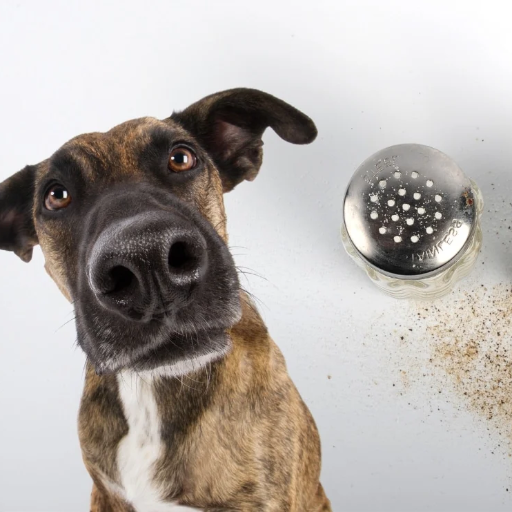

It is difficult to see a dog in pain, but knowing the available options for pain management remains essential. One such option is hydrocodone which is given as a prescription and is commonly used in veterinary medicine. The objective of this article is to elaborate more on the use of hydrocodone for dogs, its possible advantages as well as safety precautions. Understanding how this medication works, how much to give a patient, side effects and time for which it is appropriate strengthens the owner’s ability to cooperate with the veterinarian in providing the best care. Do not worry if you are not familiar with this medication, this article cover everything you need to know about hydrocodone for dogs.
What is hydrocodone and how does it work for dogs?

Veterinary Application of Hydrocodone Bitartrate
Hydrocodone Bitartrate is generally used in Veterinary practice to ease the pain and cough in dogs. This is effective if the pain is moderate. The drug works by binding to mu-opioid receptors in the brain and spinal cord and decreasing the cough caused usually by kennel cough or tracheal collapse. Because of its prodigious feel it possesses, this medication is usually advised to take under the guidance of the Veterinary.
Management of pain in dogs using Hydrocodone
Hydrocodone works by controlling the central nervous system of the dogs which would in turn help to ease the pain to bearable levels. From what I understand, it helps with persistent coughing which could also mean an inflamed trachea or collapse of the same and yes it can reduce the violent dry cough spell during this period. Bottom line is – your dog feels better and is in a comfortable zone but always report to a vet to form a guard rail around constant supervision.
Hydrocodone Verses Other Opioids In Use By Veterinarians
Unlike most other opioids, for instance codeine or morphine, hydrocodone is the one that is primarily used to treat persistent coughs as well as pain in dogs. Because of the medicinal effects that hydrocodone has, this drug is highly useful for dogs that have problems with their respiratory system; this includes excessive coughing caused by kennel cough or collapsing trachea. When my dog was being prescribed hydrocodone, one of the main reasons the veterinarian prescribed this drug was its diverse usages; however, just like all the other opioids, hydrocodone has its side effects, such as sedation and also gastrointestinal issues. As a result, I make sure to pay close attention to my dog’s health and abide by my veterinarian’s orders.
When is hydrocodone prescribed for dogs?

Common conditions treated with hydrocodone in dogs are
Veterinary use of hydrocodone is most common in canines that suffer from Kenneth cough due to collapsing trachea, chronic pain or severe coughing issues. The cough suppressant together with pain suppressing function of hydrocodone makes it a very useful treatment of pain and cough management in a vet’s care.
Hydrocodone for postoperative pain management
In my case, hydrocodone would probably be useful to supervise and manage pain in my dog after the surgical process. It works by easing the discomfort and providing my pet with an improved level of recovery. Of course, I do not exceed the dosages that my veterinarian provided, because this is a vital factor to bypass several other complications.
Utilizing Hydrocodone to Manage Dog Coughing
In my case, hydrocodone has worked wonders towards the treatment of my dog’s nagging dry, persistent cough. A diagnosis of tracheal collapse meant that my pet was not only experiencing severe bouts of coughing, which was beginning to get worrying, but it also took a toll on their overall quality of life. My veterinarian suggested that hydrocodone would be able to suppress the cough reflex thus allowing my dog to get some much-needed rest. Hydrocodone cough syrup prescription has also ensured that I have not witnessed as persistent a cough as I had before the medication was initiated thereby increasing my pet’s comfort. Naturally, I always make it a point to follow the prescribed dose and schedule provided by my veterinarian, only this way can I avoid any side effects in my pet as excessive dosage might lead to drowsiness or a complete loss of appetite.
Are there any side effects or risks associated with hydrocodone use in dogs?

Hydrocodone side effects in dogs
Drowsiness, constipation, nausea, and loss of appetite are the primary hydrocodone side effects in dogs. Given how mild these effects can be, it is not as critical to supervise your pet closely. Other adverse side effects like respiratory depression and allergic reactions, although rare, need swift expert attention. To avoid exposing your pet to risks, take the right dosage as prescribed by your veterinarian and do not stray from the instructions.
Hydrocodone contraindications for select dog breeds
For potential risks and contraindications, I myself ensure that I have a thorough conversation with my vet regarding my dog’s complete medical history so as to avoid complications while taking hydrocodone post prescription. Dogs that have liver and kidney problems or any other medications in their system are likely to face greater risks. If i know that my dog has an allergy to a medication, i will also not give it to her. Considering my dog’s condition and history, my vet also helps me ascertain if hydrocodone can be given to her.
Please note any possible side effects
During my use of hydrocodone on my dog, I made sure to be on the lookout as much as possible. Potentially dangerous conditions may manifest as extreme drowsiness, difficulty in breathing, vomiting, or bulging. I made sure to check with a vet immediately if I observed something out of the ordinary. I bear in mind more passive changes like a sudden decrease in activity or even lesser demand for food as I periodically visit my vet to confirm that the medication does not have many dangerous side effects. If things don’t feel the way they are meant to, the first step I would take is, make sure I get in touch with my vet as soon as possible.
How does hydrocodone compare to other pain medications for dogs?

Assessment of the effectiveness of hydrocodone-acetaminophen as opposed to tramadol
In some cases when the nictitating membrane of my dog flips over and hydronephrosis occurs, I see to it that my pet takes the prescribed hydrocodone-acetaminophen combination. This serves as a way to reduce mild to moderate coughing fits that are a result of the aforementioned conditions. Considering my history with this particular matter, opioid therapy in my opinion should be reserved for patients that suffer from severe pain in the context of cancer pain management using tramadol. Therefore, my dog is able to receive the assistance that it requires in addition to myself being confident in my veterinarian’s said decision regarding the medications.
Pros and cons of hydrocodone compared to other pain relief medicines
the most notable benefit of hydrocodone is its ease of usage when it comes to providing relief for extreme pain, in this case, a hard-to-shake cough in my dog. It works well in cases when other drugs would be inadequate; for example, stepping in where tramadol fails. It also tends to be faster in taking action and this is crucial when the focus is the pain felt by my dog and recovery via removal of obstinate pain is the need of the moment. But of course, I have its possible disadvantages in mind. One that concerns the sedation or the onset of gastrointestinal upset is of greater concern when using hydrocodone, and thus it warrants my close observation of my dog’s wellbeing. Even so, I acknowledge that it cannot be employed for a long-term basis because of its strength and the risk of addiction it poses. Having said that, it is clear to me how these elements assist me in determining what is more beneficial, and in such cases I always check with my veterinarian whether it is advisable for my dog.
What precautions should pet owners take when giving hydrocodone to their dogs?

Hydrocodone: Proper storage and administration of a regulated drug
Due to its regulated category, hydrocodone should be stored in a locked cupboard where pets, children or unauthorized individuals cannot reach. Follow your veterinarian’s instructions regarding dosage for your dog to the letter so that neither of you overdose nor underdose the animal. Never throw away any leftover tablets medication with out permission from your vet or a pharmacist since it could be appropriated —in more possibility, ingested by other’s people. Moreover, remember to clean your hands after administering the medicine and preserve the prescription for future reference.
Significance of Strictly Adhering to the Recommended Specifications of the Veterinarian
My dog has to get hydrocodone, and I can never fail to follow my veterinarian, as I have been taught. I make sure that my animals are properly taken care of by strictly following the dosages advised. If I am not clear about a specific detail, I do not hesitate to call my vet. I understand that a simple mistake could be dangerous for my dog. In order to keep the medicine safe, I store it in a lockable cabinet, well out of the reach of my dog and all other household pets and people. I pay special attention to the book case – for example, I wash my hands after taking the medicine before putting it back to prevent infection. When I do not have to take the prescription medicine, I toss any unused medications, following my vet or pharmacist’s directions. In this way I am sure the medication will be safe, protected against accidental abuse, and properly applied.
When should you let your veterinarian know about the hydrocodone use?
I take my dog to the vet when I notice any strange and unusual side effects, for example, excessive drowsiness, vomiting, or indeed difficulty in breathing. Hydrocodone may have caused such side effects which is why I do contact my vet in such occasions. I also contact the vet in case if I tend to miss a dose and need guidance about what to do next or in case I am not so sure as to whether the medication works as intended. Any maintenance of communication is really important. Otherwise it is confusing to know whether your approach to medication works or if it was advisable to call for help.
Reference sources
Frequently Asked Questions (FAQs)
Q: What is hydrocodone, and how is it employed to manage postoperative pain following surgical procedures in canines ?
A: Hydrocodone is an opioid analgesic, usually formulated with paracetamol (known as hydrocodone-acetaminophen) in the treatment of pains in dogs. It has proved to be useful in the management of postoperative pain in dogs after surgical treatments such as tibial plateau leveling osteotomy. This drug should not be given without the clearance of a vet.
Q: In dogs, what are the possible side effects of the drug hydrocodone?
A: Some of the most frequently reported common adverse effects of hydrocodone the dogs take are sedation, symptoms of constipation, nausea and vomiting. More complex side effects may consist of respiratory depression, particularly in pets suffering from respiratory disease. Be sure to pay attention to your dog and contact your veterinarian when any strange symptoms appear.
Q: How hydrocodone is given to dogs?
A: According to the doctor, your dog should take hydrocodone in a tablet form by mouth and it is crucial to give this medication after the dog has eaten. The dose and dosing intervals are given only by the veterinarian and depend on how large your partner is, its condition and pain intensity.
Q: Is hydrocodone effective on all the pain types that dogs have?
A: Generally, hydrocodone is prescribed for dogs with moderate pain and, in some cases, it is used to manage severe pain as well, but for chronic pain conditions, it is not recommended. Following post-operative surgery in dogs, it is the most frequently prescribed medication to relieve acute pain. Always ask your veterinarian first if this is the case.
Q: Which type of dog is not supposed to take hydrocodone?
A: The respiratory health, kidney diseases and liver diseases of the dog user club should be taken into consideration for dosage prescription and it should not be used for severe conditions because it may not yield positive results. In such cases, hydrocodone might interfere with treatment.
Q: What should I do if I think my dog has taken an overdose of hydrocodone?
A: First, get your dog to the vet as soon as possible. I suggest carrying the medicine package along because you will need to show it to the doctor. Moreover, slow breathing, weakness, low reaction or hypersomnia are indeed some of the signs that would confirm overdose.