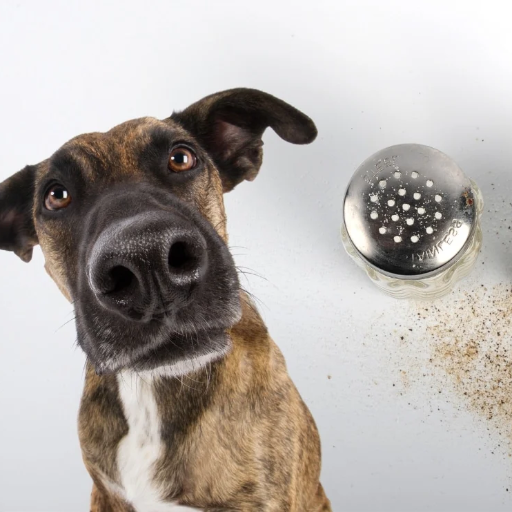

Welcoming a new puppy into your home is an exciting and joyful experience. However, along with the joy comes the responsibility of understanding and addressing your puppy’s needs, including the common behavior of crying or whining. In this comprehensive guide, we will delve into the world of puppy crying, exploring the reasons behind their tears and providing practical solutions to help soothe your little companion. Whether you’re a new puppy owner or seeking to better understand your furry friend, this article will equip you with valuable insights and strategies to ensure a harmonious relationship with your whining pet.
Why Does My Puppy Keep Crying?

Is It Normal for a Puppy to Whimper?
As a new owner of a puppy, you may think it is okay for your little companion to whimper. To some extent the answer is true. Whimpering is a common behavior among puppies and could also be a means of communication. They may whimper out of hunger, feeling lonely, wanting attention, feeling pain, or any form of discomfort.
But while whining and whimpering is pretty much expected, It is also important to note the context and how often your puppy whimpers. As benign as it may sound, excessive whimpering and prolonged whining could indicate that something is seriously wrong and needs fixing. There are a couple of things you could look into:
- Hunger and Thirst: One has to understand that puppies are growing animals who have tiny stomachs and require them to be fed on numerous occasions. Consequently, the whimper could indicate that the puppy is hungry or rather thirsty. Therefore it is vital to stick to an appropriate feeding schedule and always have fresh water available.
- Separation Anxiety: Puppies are pack animals, and as such may whimper when they feel alone or when they are cut off from their pack (you). One possible solution is to make the puppy acclimatize to being alone rather gradually and give it comforting objects that make it feel safe such as a huggable puppy or a shirt that has your scent on it.
- Discomfort or Pain: Whimpering does appear to be a form of communication in case of some pain or discomfort. As always, it is important to check sight injuries or signs of sickness which may for instance include limping, abnormal swellings, or abnormal relationships. However, if you see signs that a puppy is in pain, seek medical assistance from a veterinarian who can properly understand the situation.
- Environmental Stress: Environmental changes indeed would include noise or even movement in an unusual setting which may lead to a puppy whimpering. In such a case, providing security and a comforting atmosphere would do the trick since stress-induced whimpering is easily contained.
- Training Needs: There may be instances where the whimpering is caused by confusion during a training session. Whimpering can be controlled through consistent use of positive reinforcement during training as a remedial step to reduce the instances of whimpering.
Use the theory that puppies differ from one another and so does their whimpering, If there are worries around a particular puppy’s whimpering consider seeking help from an animal professional trainer or veterinarian who can provide you with suggestions that are practical and useful.
How Long Will My Puppy Cry When Left Alone?
Over the years, I have seen puppies cry when left alone, alternating between barking and howling. My feeling is that every puppy has a different reason to feel distressed which in turn alters the time that a puppy may feel anxious when alone. According to my own experiences and the pieces of literature that I’ve researched, here is a brief overview of this specific issue:
- Age and Development: Temperament-wise, a six-week-old puppy is bound to cry when left alone because of their undeveloped sense of autonomy. But not every 6-week-old puppy is going to cry the same way for the same period, so this variable in itself should be squeezed out for coming to a potentially sound conclusion.
- Temperament and Personality: Dogs, like humans, are born with different abilities and qualities. Some puppies are more reserved by nature, which makes it very difficult for them to be alone for an extended period of time, and subsequently, dependency comes into play which makes it even more of an issue. Understanding a puppy during this period requires A LOT of patience and these traits should determine the crying they tend to do before being left.
- Preparation and Training: Preparation and training can significantly increase a puppy’s ability to care for itself and comfort itself which in turn would halt a prolonged crying episode when they are left alone, Such techniques include gradual separation, reinforcement training, and creating a peaceful environment.
Although estimating how long a puppy may cry in isolation might be hard, with time, a puppy can learn to whimper less with constant training and reinforcement. Also remember that if you have concerns over your puppy’s crying, you may consider consulting a professional dog trainer or veterinarian who can offer practical advice according to your puppy’s requirements.
What Can I Do to Comfort My Crying Puppy?
It’s heart-wrenching when your puppy cries because it’s an innate instinct for puppy owners to feel anxious during such times. However, there are several things that you can do to ease their discomfort. Here are our tips for comforting a distressed and crying puppy:
- Make a Suitable Area for the Puppy: Make sure that the room where you plan on leaving the puppy is safe, confined, quiet, or free of anything that can distract the puppy. This is mainly to ensure that the puppy does not stress out and feels secure.
- Provide Some Warmth: Puppies sometimes cry because they are thrown into a new environment. You can make use of a heating pad with snuggle toys or even a blanket to provide comfort during the adjustment period.
- Follow a Schedule: Dogs are great when it comes to following a routine. Make a timetable for sleeping, feeding, playing, and walking your puppy. This will provide structure for them and as a result, they will feel safe.
- Provide Gentle Encouragement: You mustn’t encourage your puppy to be anxious or cry. Instead, you can use a monotonous yet calm voice to soothe them or quiet them down. Crying is something that should not be rewarded so try and reward peacefulness instead.
- Engage Them Mentally: Though this may take a lot of effort engaging your puppy with toys, puzzles or games will help keep their mind off crying.
- Physical requirements must be satisfied: Don’t forget to include regular meals, plenty of water, and regular walks in your puppy’s list of essentials. A well-fed and tired puppy will cry less.
However, it is crucial to note that each puppy is different, and what may work for one, may not work for another so be slow to anger and consistent in attempting these and other strategies, and if needed seek the advice of a professional dog trainer or a veterinarian so that the advice is geared towards your puppy.
How to Handle a Crying 6-Week-Old Puppy

Understanding the Needs of a 6-Week-Old
As a 6-week-old puppy, petting me is not going to solve all my concerns as I have other needs that must be addressed to overcome my problem of crying. Some of the key factors are:
- Feeding Schedule: Puppies at this stage are very small and require small-sized meal portions throughout various times of the day. So an appropriate feeding schedule providing the puppy’s food must be put into place.
- Physical and Mental Stimulation: Dogs are known to have high energy levels and subsequently require a lot of physical and mental exercise and play to remain tired and engaged. Regular walking, playtime, and giving them toys can make them feel less adamant.
- Socialization: For me to develop good habits and less anxiety, I need surrogate families and pets during this phase so kindly socialize me well. It is very important however not to overwhelm me with a lot of animals and environments but rather keep it to a few in the beginning.
- Potty Training: If a conflict and a stress-free life is what I am looking for, then it is imperative that I set a specific potty training routine without diverging from it. For this purpose, frequently take me outside, reward me when I eliminate at the right spot, and be marital when potty training.
- Comfort and Security: Lastly, make me a comfortable decent sleeping area or provide me with a crate or a proper puppy bed. Provide bedding, toys, and assurance in a noise-free space to make me feel relaxed.
Remember, all the puppies are different, thus you have to try and observe my behavior, tweak techniques as appropriate and look for professional guidance when necessary. A professional dog trainer or veteran practitioner would be able to give advice that is specially customized to my requirements and traits.
Tips to Stop the Crying Sound Effect
There are different alternatives available that can help deal with the cry sound effect in puppies. Such suggestions tend to come from reliable sources and are highly endorsed throughout the profession. The puppy’s crying behavior can be controlled if the following advice is followed:
- Consistent Routines Must Be Set In Place: A consistent routine in a pup’s day-to-day life in turn increases the amount of security a puppy feels and what to expect during the day. Routine feeding, playtime, and bedtime can all lead to a more cool-headed and calm puppy.
- Introduce Separation Gradually: A puppy can get used to being alone if a gradual approach is taken whereby they are first separated for short intervals and this is increased with each session. This trains a puppy to be less anxious about being left alone.
- Set Up An Appropriate Setting: Your puppy should be provided with proper sleeping quarters or a soundless, quiet room that provides them with comfort and toys so that they will not have to cry often. All of this will lead to a puppy that feels less distressed.
- Modify And Observe Strategies: It should be stated that every puppy is different from the others and thus, the approaches towards training will need to be modified to suit the differences. One training strategy may work on one puppy but fail to work on another puppy. Thus, persistently doing so to find an efficient training strategy for your puppy is important.
Geef het om te onthouden dat hoewel deze tips zijn efficiating voor vele puppy owners, it is always good to consult an expert when required. Contacting a professional dog trainer or an experienced veterinary specialist would help in getting advice according to your particular puppy.
Why Does My Month-Old Puppy Cry at Night?

Dealing with Crying All Night
You might feel anxious as a pup parent when your month-old puppy cries during nighttime, but there are ways to avoid this presage a peaceful sleep schedule for yourself and your dog. Such methods, alongside understanding what triggers the toddler can help make the nights more restful for everyone.
Feed, play, and sleep on schedule, dogs greatly benefit from the structure, thus having a timetable for every activity can aid in minimizing late-night stimulation.
Make sure it is warm and peaceful so all your puppy needs to do is sleep. In addition, warm blankets and a wrinkled toy can help comfort and reassure the pup enough to allow him to sleep.
Or, more conveniently, mentally prepare the dog for the scenario. This is how it should be commenced: avoid sudden transitions from sleeping together to sleeping alone; instead, start small and increase the time over days.
Remember, older dogs have understood this logic, noise and starvation lead to affection, but serenity on the other hand requires time. So, whenever you set a routine make sure to reward the puppy if he fulfills it. This in turn will assist you to build positive attributes within him which would facilitate them settling and sleeping together.
It’s important to always remember that every puppy is different and may cry for different reasons, so the approach to stopping this would differ. Also, if the problem continues or you have certain queries, it is best to get advice from a certified dog expert or a veterinarian one trusts. This way the specialist can provide precise information aiming at particular threats posed to the puppy, hence guaranteeing the puppy’s safety.
Creating a Comfortable Sleeping Environment
To soothe a crying puppy, it helps to have a suitable sleeping environment. Here are some factors to consider:
- Temperature and Humidity: The sleeping area should be at a breathable temperature range and sufficient humidity of between 50-60% ideally 65-75 °F.
- Bedding: Use an appropriate bed or crate or both, with comfortable bedding that retains and contains a cushioning effect such that it is also easy to launder and is hypo-allergic.
- Lighting and Noise: Try dampening any external noise and minimizing lights to allow the puppy to relax. To help mask unnecessary sounds, consider implementing white noise machines or soothing dog music.
- Comforting Scents: A soothing environment can also be introduced by incorporating familiar scents like lavender or chamomile. Use pet-safe products along with essential oils designed for pets in particular.
- Security and Enclosure: Ensure to provide a contained area suitable in size as a sleeping environment for your puppy. It could be a crate or a playpen for minimal boundaries and optimum security.
After considering these factors, you will be able to create environments that help calm the puppy down and reduce its urge to cry.
How to Soothe a Puppy that Keeps Crying Even After Potty Breaks

Is it a Pee or Potty Issue?
To ascertain if the puppy’s cried out due to needing to urinate or if it needed to do a call of nature it calls for a reasonable degree of scrutiny as various elements need to be considered. Some of these include the following:
- Forming A Schedule: It is prudent to create a calendar for when the puppy needs to go out so that it is able to pee and not make a mess. This particular activity has to be done frequently throughout the day as well as after every meal, nap, playtime, or after waking up.
- Observing Toilet Behavior: Provided information assists in recreating helpful events. So, start analyzing the behavior of the puppy in different social, rational, and biotic environments, specifically focusing on the frequency, volume of urination, resistance, and urination difficulty.
- Assessing the creature’s state: The next step would be to monitor the puppy and check if frequently licks his or her genitals, is unable to urinate, or if the puppy showcases a unique behavior when trying to go to the bathroom as this can showcase the dog suffers from any undiagnosed health issues.
- Monitoring and Evaluating the puppy’s waste: Perhaps observing the color of the puppy’s feces as well as their frequency and overall consistency may be a good idea to better gauge their digestive system’s health and functionality. Any change in the normal amount of times the puppy goes to the bathroom or if the puppy experiences pain or discomfort should be documented.
- Seeking Professional Advice: A visit to the vet becomes crucial if the puppy is wailing even after it has been frequently taken out for potty breaks and no signs of potty or pee seem to be present. These experts may perform a detailed examination which includes any tests if required, and offer professionally tailored advice to suit the needs of the puppy.
It is crucial to keep in mind that all puppies are different, and thus behavioral traits are not the same. So, paying attention to the signs the puppy communicates, sticking to a fixed timetable, and getting the help of professionals when necessary will guarantee that the puppy is healthy in every aspect.
Signs Your Puppy Might Be Unwell
You must keep a close watch on your puppy’s health to ensure that they are not ailing or are in any kind of discomfort. The following are some standard signs that could suggest that your puppy is sick:
- Not eating: A drastic shift towards not eating or completely avoiding food can be considered an alarming threat. Make it a point to closely observe your puppy’s eating behaviors and professions and get in touch with a veterinarian if they have an obvious change in appetite.
- Being inactive: Unusual tiredness, feeing low on energy or completely an inactive lifestyle can also be signs of an illness if your puppy has a decline in their usual levels of activity. Patently observe your puppy’s activities and consult with a veterinarian if extreme tiredness does not go away.
- Throwing up or diarrhea: From time to time throwing up or having diarrhea might not be a concern but when these issues become a frequent occurrence or they are coupled up with additional symptoms then that is the time to be concerned as it shows that there might be a health issue lurking. Make sure that you are not dismissive of the amount, color, and even the consistency of your puppy’s vomit or stool.
- Coughing or sneezing: When coughing or coughing and sneezing come together with constant nasal discharge then it is likely that your puppy could be suffering from a respiratory condition. If these signs continue to prevail or start to worsen finding a vet should be your best bet.
- Changes in Urination: An alarming concern and something that needs careful observation is when there are drastic changes in your puppy’s urine; this can be in its color, how often he or she relieves themselves, or if they relax difficultly. Such symptoms may indicate a urinary tract infection together with other urinary problems.
- Skin Problems: It is always good to be cautious and observe your puppy well; if the skin starts changing and exhibits some soreness, rashes with persistent itch, bald patches, or signs of infestation with parasites, then necessitate consultation with a veterinary doctor.
In the unfortunate event that you come across irregularities or you have concerns regarding the health of your puppy, seeking help from a veterinarian is important since such a professional is well-versed and trained to offer such services catering to the specific needs of the puppy.
When to Consult a Dog Veterinary
It’s always good to be focused and careful about the health status of the dog so it is well taken care of. The earlier information can work as a broad guideline, because an occasion can arise in which a dog owner may seek professional assistance from a dog veterinarian. A few circumstances under which it is wise to visit a veterinarian to get your assistance are mentioned as follows:
- Significant Symptoms: It’s no no-brainer that if a disease is not progressing, getting a medication for the same seems pointless. These situations create a paradox but home care for the disease can sometimes worsen the whole situation thus veterinary help is warranted. Some diseases include consistent vomiting or lethargy.
- Signs of Pain or Discomfort: There are many situations where there could be a chronic disease that could be left undiagnosed, some of these could be brutish signs of pain or lack thereof and increased or decreased activities. These signs could compromise the health of the dog and need to be addressed by a specialist.
- Body Language: Other times there are many medical and psychological issues which could be me addressed by a dog veteran, a few issues would be aggression, excessive fear, withdrawal etc.
Every dog is different so the idiosyncrasies of your dog need to be kept in mind. The dog’s health can be examined properly with the help of dog veterinarians, and diagnosis as well as treatment would be tailor-made to every dog’s needs.
Can Sound Effects with Your Dog Help Reduce Whining?

Using Sound Effects to Calm Your Pet
Employing sound effects while training your pet also works quite efficiently by alleviating their behavioral whining. Sounds effects have been observed to be relaxing for some dogs to address anxiety and relaxation and I am sure you can use these effects to calm your pet. Here are some sound types that might be useful for you to use:
- Hearing Classical Music: Classical music, identified for its slow and calm melodies, has been proven to have a soothing effect on dogs. Due to its slower speed and harmony, it only works once the dog is somewhat accustomed to the noise.
- Nature Sounds: Pets are likely to be comfortable with sounds such as gentle rain, the ocean, and birds chirping. Such soundscapes can be great for relaxation while serving the purpose of covering minor distracting noise.
- White Noise: White noise as the name gives away is a singular even sound that tends to overshadow piercing noise from the environment while also providing a very pleasing sensation for pets. This can be simply done over echolocation systems.
It’s important to note that the effectiveness of these sound effects may vary depending on your dog’s preferences and sensitivities. Monitor your pet’s reactions and adjust the volume and type of sounds accordingly. Additionally, consult with a professional dog veterinarian for personalized guidance, especially if your pet’s whining persists or is accompanied by other concerning behaviors.
Try These Sound Effects for Soothing
- Classical Music: There are primary components in a dog’s life that are essential to their development; classical music is one such component. It is scientifically proven that when lullabies and classical music are played such as Mozart or Beethoven, the dog feels relaxed.
- Nature Sounds: Nature sounds can help provide a comfortable atmosphere for the dog. Sound of gentle rain and chirping birds are nature sounds that can mimic the outdoor environment and help the dog feel safe. Recordings of natural sounds can be found online or offered by various apps.
- Low-Frequency Tones: There are audio tracks specifically designed for dog’s ears which are called low-frequency tones. They are usually composed of essentially the same tones with slight variations in frequency played in each ear which stimulates the brain to produce waves of a calming nature since these tones are made only for dog ears. There are dedicated apps and audio tracks meant to provide these sounds to dogs.
Remember, since every dog is different, their likes and dislikes vary so don’t be surprised if these tones do work for your dog. Keeping track of how the dog is reacting, changes can be made concerning how loud or soft the music is, and at what frequency the music is played. Last but not least, ask a specialized veterinarian who is dedicated to dogs for assistance in case these methods are not working or your pet is still whining and behaving roughly.
Frequently Asked Questions (FAQs)
Q: Why is my puppy crying at 8 weeks old?
A: Puppies at 8 weeks old may cry due to separation anxiety, needing to potty, or because they are adjusting to their new home. It’s important to provide comfort and a sense of security during this transition.
Q: How can I stop my puppy from crying throughout the night?
A: To stop your puppy from crying throughout the night, ensure they are comfortable in their crate, have had enough exercise, and have potty before bedtime. Gradually acclimate them to being alone at night.
Q: What does a puppy crying sound like?
A: A puppy crying sound can vary from whimpers to loud cries. This sound can often be similar to that of a human baby, conveying their discomfort or need for attention.
Q: Is it normal for a 3-week-old puppy to cry?
A: Yes, it is normal for a 3-week-old puppy to cry, especially if they are separated from their mother dog or siblings. At this age, they are still very dependent on their mother for comfort and warmth.
Q: What should I do if my puppy is crying in her crate?
A: If your puppy is crying in her crate, check if she needs to potty, is hungry, or feels uncomfortable. Ensure her crate is a safe and cozy space, and consider crate training techniques to help her feel secure.
Q: How do I train my puppy to stop whining?
A: To train your puppy to stop whining, reinforce quiet behavior with treats and praise. Always respond calmly and avoid giving attention when they whine, as this can reinforce the behavior.
Q: Can a dog crying sound effect be used to comfort a puppy?
A: Yes, using a dog crying sound effect can sometimes help soothe a puppy, especially if they are feeling lonely. However, it’s important to monitor their reaction and provide physical comfort as needed.
Q: Why do puppies cry when they first come home?
A: Puppies may cry when they first come home due to stress from leaving their breeder and familiar environment. They are adjusting to new sounds and smells, which can be overwhelming.
Q: What rights do I have regarding my puppy’s privacy policy with breeders?
A: When purchasing a puppy, you should inquire about the breeder’s privacy policy regarding your personal information. It’s important to ensure your rights are respected in terms of how your information may be used or shared.
Q: How can I make the transition easier for my puppy when bringing her home?
A: To make the transition easier for your puppy, create a safe space with familiar items, establish a routine, and gradually introduce her to her new environment. Patience and consistency will help her adjust better.