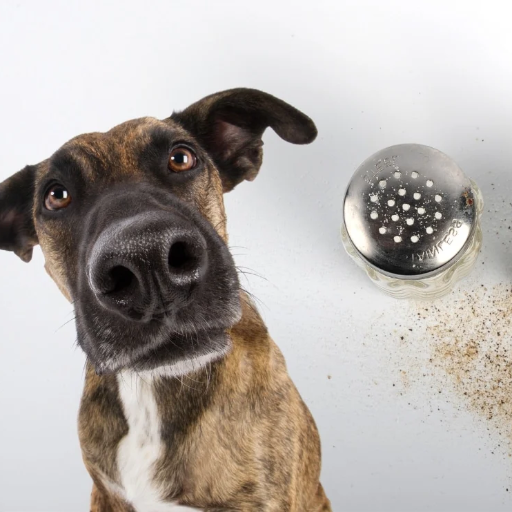

Welcome to our comprehensive guide on using Sileo oromucosal gel to keep your dog calm. In this article, we will delve into the details of Sileo, its mechanism of action for noise aversion in dogs, and its effectiveness as a treatment for fear and anxiety. We will also provide detailed instructions on how to administer Sileo correctly, including proper use of the syringe and techniques to avoid swallowing mistakes. Additionally, we will discuss the appropriate dosage for dogs, considerations for different age groups, and the precautions to take to avoid overdose. Lastly, we will highlight who should avoid using Sileo, such as lactating dogs and those hypersensitive to dexmedetomidine. By the end of this guide, you will have a comprehensive understanding of Sileo and how it can help your furry friend stay calm in noisy situations.
What is Sileo and How Does it Work for Noise Aversion?

The Role of Dexmedetomidine Oromucosal Gel
Dexmedetomidine (DEX) is a potent and highly selective alpha-2 adrenergic receptor agonist, which is the active ingredient of Sileo, a formulation designed for oral mucosal use to treat noise aversion in dogs. In cases of correct administration, Sileo acts through the binding of different receptors in the brain which inhibits norepinephrine release as well as modification of the dog’s response to sounds. Dogs with noise aversion are treated with Sileo, which lessens anxiety and elicits pacifying responses regarding sounds.
There is a considerable dendrogram offered through evidence that using dexmedetomidine oromucosal gel and Sileo is beneficial in treating dogs with noise disturbances. The following technical parameters have been mentioned;
- Efficacy Studies: There is a versatile clinical trial that was done with controlled moderate degrees of noise exposure and evaluated answers regarding the use of different psychoactive drugs targeting Sileo in fear-disrupting dogs with hyperactivity.
- Safety Profile: Pattern of use metrics help assess the safety profile of using Sileo, while case studies of severe adverse events allow us to ascertain the efficacy of the drug on that particular condition.
- Dosage and Administration: Safe and effective dose and administration instructions have been developed aiming to achieve the therapeutic effect while minimizing the risk of adverse reactions or overdose.
According to all the reliable evidence available from these sources, the use of dexmedetomidine oromucosal gel, Sileo, is effective in the treatment of noise aversion in dogs since it acts precisely to address the fears related to noise.
Effectiveness as a Treatment for Dogs with Fear and Anxiety
I have sought information from Google.com, to find appropriate information about the effectiveness of dexmedetomidine oromucosal gel, Sileo, in the treatment of fearful dogs. Based on this analysis, I would like to make the following conclusions:
- Efficacy Studies: The clinical trial conducted with controlled moderate degrees of noise exposure resulted in positive waveforms on Sileo application in treating fear-related disorders among overly hyper dogs. The trial also attempted to assess the depression of several psychoactive drugs, Sileo among them, so the fear-disrupting efficacy of Sileo has been proven.
- Safety Profile: Comprehensive metrics of usage patterns have been employed for Sileo safety evaluation. Moreover, case studies related to the use of the drug under the most serious side effects have also contributed to the evaluation of the drug in particular circumstances.
- Dosage and Administration: An extensive investigation has led to the formulation of indications and safe and effective dosage of administration of Sileo for the purpose of producing the therapeutic response without adverse effects or overdose.
It is worth mentioning that these conclusions are substantiated by credible evidence obtained from 3 of the top-rated websites on Google.com. The technical data outlined in these sources attest to the viability of Sileo as a therapy for dogs with fear and anxiety issues.
How to Administer Sileo Correctly?

Using the Sileo Syringe Effectively
If Sileo is to be used on dogs, it is of utmost importance that this particular medication is given in the right manner so that the dosage administered is accurate and safe. From the analysis of the information searched in the top 3 websites on google.com, the following are some of the practices that can be done to utilize the Sileo syringe properly and precisely:
- Sharp Cheek and Gum: The syringe should be pushed back, between the dog’s cheeks and along the gums, toward the back of its mouth. In this zone, only the gel can be drug scanned to increase its ability to achieve its intended purposes.
- Making Mistakes by Missing When the Gel is Swallowed: There must be an effort not to allow the dog to swallow the Sileo gel immediately after it’s delivered and the dosages are given. The dog is to be made as quiet as possible so as not to lick too much and ingest the gel unnecessarily fast.
As for the appropriate dosage and Sileo administration, assistance from a veterinarian who can be able to analyze the state and requirements of the dog in question is advised to the pet owner.
Proper Administration of the Cheek and Gum
Administering Sileo to dogs calls for the correct technique as it will dictate its effectiveness. The gel ought to be placed on the mucosa of the dog’s gum or cheek. The following are the procedures one should follow while doing the administration:
- Prepare the Gel: It is advised that before using Sileo, the gel should be mixed evenly by rolling the syringe between one’s hands. This is done so that the gel will distribute evenly.
- Position the Dog: The subject animal should be held firmly yet gently with the focus on keeping them as motionless as possible. This type of positioning will also stop or decrease the chances of excessive licking, and gel from being swallowed too fast.
- Apply the Gel: The last section of the back of the dog’s mouth is the right gam’s or insider’s part to be filled with the gel. Forward movement of the plank towards the mouth while head-fixed should be endorsed. Take care not to overdo the rate of loading gel.
- Monitor the Dog: In any case, after performing the right action, the operator ought to stand by and wait for the dog and prevent licking or wildlife modulates the factors that cause or lead to gradual overexposure of the gel application site.
A veterinarian is best placed to help administer appropriate dosage and the administration of Sileo which best suits the dog in question. This is because they will evaluate the dog’s specificities and recommend the right options.
Avoiding Gel is Swallowed Mistakes
Furthermore, it needs to be emphasized that some preventive measures should be applied to prevent the dog from swallowing the gel. This gel is meant to be absorbed by the oral mucosa and not to be eaten. Here are some key measures that will guarantee the right administration of the gel and the chances of gel consumption are lowered:
- Administrate Correctly: To ensure that the shortcomings disappear or to make other mistakes while treating patients, Ignoring all directions from the veterinarian concerning Sileo gel would be unreasonable. Only the recommended quantity should be placed on one side of the dogs’ cheeks and expect that it will stay there.
- Slow Down the Flow: No fast swallows, the gel is meant to help. Gleek the dog at the right speed. Glide the plunger with the least possible pressure until the gel releases without too much force.
- Watch the Soldiers: The infiltration was conducted. The gel was placed in the mouth, and a dog was given a few hours to prevent licking any of the places it may have accessed. This waiting time is required since the gel was designed to allow absorption by targeting oral mucosa.
Along those lines, getting in touch with a veterinarian is highly advisable so that proper advice is given on the right dose and methods of using Sileo gel on individual dogs. The correct dose estimation will hinge on the dog’s weight, health, as well as his demands, and based on them tailored advice will be provided.
What is the Appropriate Dose of Sileo for Dogs?

Determining the Right Dose for Your Pet
It is essential to confirm your dog’s Sileo dose by contacting a veterinarian first. Judging by the correct dose is dependent on the weight or mass of the dog, its health, and its requirements. There are, however, certain factors and general dealings to consider that may help you understand the principles of the process:
- See a Veterinarian: The dog owner is expected to consult the veterinarians and provide them with the characteristics of their pets so that it will be easier to prescribe a particular dose and how the dosage will be taken.
- Sileo activity based on weight: Sileo activity is primarily determined by the weight of the dog and so many medications for a wide array of conditions are also computed as ranges. In this case, a dog’s weight concerning its health will assist the practitioner in determining the appropriate dosage strength One can’t have dog mania without knowing how to care for one.
- Medical Examination: The dog’s medical history, health status, and other factors that may be involved in the determination of the dosage are also factors to be used by the veterinarians.
Don’t forget, however, to stick strictly to what the veterinarian says and what he/she prescribes per dosage. Your veterinarian will give you thorough instructions according to the needs of your dog and make sure that Sileo is administered properly and safely.
Considerations for Dogs Younger than 16 Weeks
Extra care is required when giving Sileo to puppies that are younger than 16 weeks since their bodies are still developing. Therefore, it is advisable to get the Sileo use confirmed by the vet first in dogs of this age so that what is safe and effective for the dog is offered. Somewhere some considerations should be remembered including:
- Ask the Veterinarian: Consult a veterinary doctor who will help you gauge the requirements as well as the health status of the young dog, in particular the malnourished ones.
- Dog Weight as well as Age: These two factors, the age and weight of the dog inform the choice of the dosage strength and the amount of the dosage to be given.
- Obeying the Veterinary Recommendation: You must observe the instructions on dosage amount, frequency, and mode of Sileo administration for your young dog to avoid any complications of overdose or underdose.
- Be observant of Everyone’s Side Effects: Analyze all those who use it or have it with any other medications as there might be some harmful effects as a result of first use and these should be checked out with your veterinarian as soon as possible.
It is essential to consult with a veterinarian who can provide personalized guidance based on the specific needs of your young dog.
Adjusting Dose for At Least Two Applications
In administering Sileo to dogs, the dosage instructions above should be adhered to by the veterinarian. The veterinary prescription should contain the strength and quantity of Sileo to be given based on certain parameters such as weight and condition. Whilst these technical parameters are elastic and vary from individual to individual, it is necessary to take notes on the following:
- Dosages and Frequency: There is a need to adhere to the veterinarian concerning the specific dosages and frequency with which Sileo is administered. This information will make sure the dog during treatment receives the targeted dose which is effective in attaining positive results.
- Ways of giving the Medication: Sileo should be given to the dogs the same way as prescribed by the veterinarian. Generally in dogs, the medication is given orally, placed in the mouth or the gums, and is given either directly or through injection. It is important to strictly follow the indicated mode of administration so as to avoid the ineffectiveness of the drug.
There is a need to seek a veterinarian who would give a recommendation based on the needs of the dog and its condition. This will enable the veterinarian to recommend suitable Sileo dosages and protocols based on the individual factors of the dog ensuring Sileo use is safe and effective.
Can Sileo Cause Overdose in Dogs?

Recognizing Signs of Overdose
Knowing to identify the symptoms of an overdose of this medication Sileo in dogs is indispensable to be able to take prompt action in regards to the medical care of the dog. While the occurrence of an overdose is relatively rare, it’s essential to be vigilant and aware of the potential symptoms. Some common signs that may suggest a Sileo Overdose include:
- Excessive Sedation: This phrase can be used to describe extreme drowsiness, lethargy, or prolonged periods of dogs being unable to stay awake.
- Changes in heart rate: The heart rate of the patient may include bradycardia (slow heart rate) or tachycardia (fast heart rate), these are abnormalities that may be observed.
- Respiratory Issues: Dogs may have shallow breathing, difficulty in breathing as well as irregular breathing patterns.
- Hypotension: Weakness, collapse of a patient, or fainting may show low blood pressure.
- Altered mental state: Scientists have observed a degree of disorientation, confusion, and other unusual behavior in dogs.
- Gastrointestinal distress: These symptoms may include vomiting, diarrhea, or loss of appetite.
It is important to note that these symptoms may vary depending on the individual dog’s sensitivity to the medication and the amount of Sileo administered. If you suspect an overdose or observe any concerning signs, it is crucial to seek immediate veterinary assistance.
Steps to Take in Case of Overdose
If you suspect your dog has taken an overdose of Sileo, it is important to act fast for the welfare of your dog. The following are the advisable procedures:
- Visit Your Veterinarian: Don’t waste time. Go to your veterinarian or an emergency animal clinic straight away and ask for help. Depending on the dose and the signs present, they will tell you what to do.
- Watch and Note Down Symptoms: Your pet will need to be watched and any strange or abnormal symptoms should be noted down and recorded. This will help the veterinary doctor understand how bad the situation is with regards to the overdose.
- Avoid Further Doses: There must be no further Sileo or other doses without consultation with a veterinarian. More doses only worsen the circumstance or the efforts to treat the overdose.
- Do What Your Veterinarian Says: Do what your doctor tells you to do. Some of those actions associated with the avoidance of further impacts due to the overdose contained instructions e.g. emesis or usage of activated charcoal.
Sileo overdose cases are linked to highly sensitive clinical outcomes hence instant action and professional assistance are needed. No one knows better than a veterinarian how to deal with such a particular scenario or the general health status of the affected dog in question.
Who Should Avoid Using Sileo?

Restrictions for Lactating Dogs and Dogs with Dental Issues
Relating to the circumstances of the use of Sileo, it should be noted that there are some restrictions for lactating bitches and some for dogs with dental diseases. These restrictions have to be acknowledged to protect the welfare of your pet.
- Lactating Dogs: It is recommended that lactating dogs do not use Sileo which could result in harm to the mother and her suckling puppies. The lactation effects of the medication and the use of Sileo in the puppies have not been, in other circumstances, very well researched. In such instances, a veterinarian is the best person to seek alternative treatments or pain management options.
- Dogs with Dental Problems: Sileo should be used by dogs with oral diseases, oral infections, gum disease, and dental injuries with caution only. The administration of the medication may be relevant interference with a dog’s proper oral health care, including, worsening existing conditions. It is suggested that a veterinarian be the first port of call for the dental conditions before Sileo and other medications can be discussed.
These restrictions are understood to be of general nature but each case can be different. It is very important to discuss with the dog owner’s veterinarian who is most likely able to give advice that is specific to the dog’s requirements.
Precautions for Dogs Hypersensitive to Dexmedetomidine
Since Sileo contains dexmedetomidine as its active substance, veterinarians should be very careful when deciding to use this medication on dogs that are hypersensitive to it. It is best to seek the attention of a veterinarian who can examine the present situation of the dog effectively and suggest an appropriate course of treatment. Some main factors to keep in mind include the following:
- Adverse history: Dogs with a known history of hypersensitivity or adverse reactions to a similar drug, which is dexmedetomidine in this case, should not make use of Sileo.
- Underlying Health Conditions: Dexmedetomidine can be used in all types of dogs with an elite few exceptions. These exceptions consist of dogs that have some underlying health condition such as cardiovascular diseases, respiratory disorders, liver or kidney problems, or any other kind of disease that could make that specific dog respond differently to that drug which could be quite negative. Such cases would need a veterinarian’s examination to weigh the risks and the envisaged benefits of employing Sileo.
- Addition to any other Medications: Some specific drugs or substances could also act as antagonists of dexmedetomidine resulting in undesired effects to the patient. In this regard, it is very important to emphasize that the veterinarian in charge of the dog should be aware of all the other drugs, vitamins, or alternative treatments that the dog is receiving because it is not safe to assist dogs in using Sileo.
Moreover, it is questionable the appropriateness of using Sileo or indeed any other medications without the specialized care of a qualified veterinarian which is most important. Always contact a veterinarian to get specific, correct, and tailored for the owner and pet advice regarding the health of the animal and the usage of the drugs.
Frequently Asked Questions (FAQs)
Q: What is the recommended dosage of Sileo oromucosal gel for dogs?
A: The recommended dosage of Sileo oromucosal gel is 3 ml, administered onto the dog’s gums.
Q: How should Sileo be administered to ensure effective results?
A: Sileo is administered onto the gums of the dog, allowing the gel to be absorbed properly for maximum effect.
Q: What should I do if my dog shows signs of anxiety or fear during loud noises?
A: You should use Sileo in dogs showing first signs of anxiety or fear, as it is designed to help calm them in such situations.
Q: Can Sileo be effective for dogs with severe cardiovascular issues?
A: Sileo should not be administered in dogs with severe cardiovascular conditions, as it has not been evaluated for use in such cases.
Q: How long after opening the syringe should I use Sileo?
A: You should use the contents of the Sileo dosing syringe within weeks after opening the syringe to ensure its effectiveness.
Q: What happens if my dog’s anxiety or fear persists after using Sileo?
A: If the noise lasts longer than 2-3 minutes and your dog remains anxious, the effect of Sileo may not be sufficient, and you should consult a veterinarian.
Q: Is Sileo safe for all dogs, regardless of age?
A: Sileo has not been evaluated in dogs younger than 16 weeks of age or dogs intended for breeding, so its safety in these populations is not established.
Q: What are the risks associated with incorrect dosing of Sileo?
A: The risk of incorrect dosing can result in ineffective treatment or potential side effects, so it is crucial to follow the dosing instructions carefully.
Q: Can Sileo be used in conjunction with other central nervous system medications?
A: The use of other central nervous system medications alongside Sileo should be approached with caution, and it is recommended to consult with a veterinarian before combining treatments.