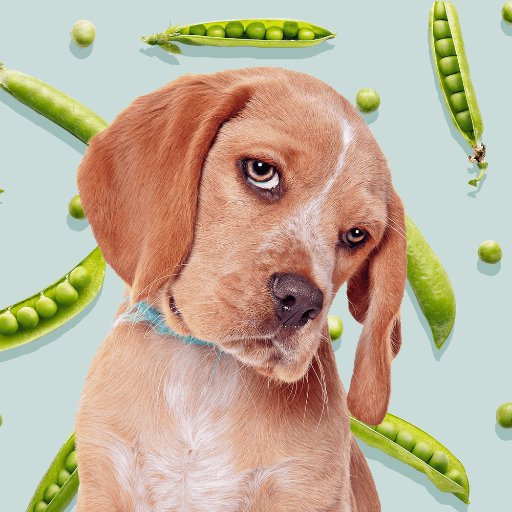

The Transylvanian Hound is considered a historical breed that originates from Transylvania in Hungary. This breed is revered by many dog enthusiasts and historians for its remarkable physical appearance, excellent hunting abilities and flexible skill set. This word aims to elucidate the unique features and fundamental essence of Transylvanian Hound that explains its popularity across masses. This guide is a tribute to this specific Hungarian hound so that its deep-rooted ancestry can be reconstructed. The article will provide detail for people who have an inquisitive mind whether dog or history or both.
What is the origin and history of the Transylvanian Hound?

How was the Transylvanian Hound bred in Hungary?
Transylvanian Hound is believed to have been bred in Hungary during the Middle Ages, the primary users being the hungarian nobility as a hunting and companion dog. This breed’s ancestors probably included dogs that came into the area with the migrating magyars, and were then crossed with local hounds to refine a dog for hunting various game in the diverse topography of Transylvania. Consequently, two distinct variants developed: one for forest hunting and another for open plains, reflecting the versatility of this breed.
How did the Transylvanian Hound evolved, particularly with the help of Hungarian aristocracy?
Hungarian aristocracy played a pivotal role in shaping the Transylvanian Hound as a specialized dog for hunting. Because of how St. John’s was able to endure not only the severe winters but the mountainous territories of Hungary, nobles wished for dogs to assist in hunting great gam Including the boar, bear, and deer . This was done by breeding hounds with desirable traits such as strong nutritional instincts, intensive stamina and courage, and the ability to hunt in a pack. Such focused breeding not only polished the physique but accented the instincts by sharpening their loyalty. Over centuries of time, the Hungarian elite’s initiatives were successful enough to constantly ensure the survival rate of the Transylvanian Hound and it’s maintainance as a symbol of great importance and prestige for hunters.
How have hunting practices shaped the history of the Transylvanian Hound?
In the medieval times the Transylvanian Hound collected more of its accolades as a potent hunting aide due to its sharp sense of smell. This breed can most commonly be tracked back to the support of the Hungarian upper classes and were trained to assist in the tracking down and catching of game birds, deers and bears in the Transylvanian wilderness. The Transylvanian Hound is extremely versatile and can adjust to any terrain as such it efficiently operated in open fields as well thick forests allowing for cross environment hunting. Stimulating one’s senses over long periods while hunting and tracking down deer and bears required instinct, stamina along with bravery which this breed easily had. Even with the advancement of hunting strategies this breed blended in perfectly having retained centuries worth of skill along with strong loyalty towards its trainers.
What are the physical characteristics of a Transylvanian Hound?

What weight is expected from a Transylvanian Hound and how big is it?
Transylvanian Hounds show a strong stature appropriate for their large size and are mostly between the average and large breeds of dogs. The males usually fall around 56 to 66cm at the shoulder in height while the females usually are around between 53 to 63cm. Being around 25 to 35 kg up their size and weight, they usually weigh between 55 to 77 pounds. For long hunts which have been a main purpose in the breed’s history, ensuring the ability to traverse diverse terrain was a key factor hence this anatomy is a balanced and strong one.
What distinguishes Transylvanian Hounds in terms of markings and coat color?
Transylvanian Hounds are known to have short, dense fur that is comfortable during multiple hunting seasons, which helps them stand out amongst the rest. Having distinct markings on the face, chest, legs, above the eyes known as ‘eyebrow spots’ they usually have a black fur coat with tan patterns underneath. Their thin cover with a glossy finish aids their compelling black coat making the overall appearance striking and far more noble.
Do Transylvanian Hounds come in different varieties?
There are two recognized breeds of Transylvanian Hounds, differing in size and their hunting purposes. There is a taller breed which has been used to hunt larger animals like wild boars, elk and bears in the plains and hilly terrains. Afterwards, there is a shorter breed that has been specifically bred to hunt foxes and hares in a forested or enclosed setting. Both of these hounds were originally bred from the same breed hence they have many similar features But long legged breed is the one which is more readily available in the market and is familiar with the general population.
What is the temperament of a Transylvanian Hound?

What can the Transylvanian Hound personality tell us about their hunting instincts and skills?
When it comes to their keen sense of determination, combined with an intelligence that is never easily distracted, the situation looks quite favorable for the Transylvanian Hound in regard to hunting. These dogs are courageous and versatile, which enables them to withstand a variety of conditions and challenges. The combination of strong instinct and calmness makes them excellent for both small and large game hunting as well.
Are Transylvanian Hounds good family dogs?
Even though they were bred for hunting, these dogs are one of the most loyal, affectionate, and gentle to people they trust. All they need are people in the family that can actively train and exercise them while catering to their high energetic levels. These dogs do well with children, and are incredibly protective and nurturing to their family when properly socialized. Many of these dogs still tend to have a very strong prey drive and as such should be supervised near smaller animals, as expected from hounds. Finally, with sufficient training and the appropriate conditions, the Transylvanian Hound may be able to adjust to family life and grow into a devoted family member.
What is the temperament of the Transylvanian Hound in terms of energy and exercises?
While breeding Transylvanian Hound, they need to be actively involved to meet their timely exercise requirements. In my observation, people do tend to overlook and forget about the exercise requirements of this dog as they have high energy levels. A Transylvanian Hound loves hiking, jogging and going on long walks that encourage the hound to be active. While deciding to own one, make sure to allocate at least one to two hours of strenuous workouts with mental stimulation for engaging their intelligent nature. Transylvanian Hounds love games like fetch, scent tracking or agility drills that are physically and mentally stimulating. If your active lifestyle includes a lot of outdoor activities, a Transylvanian Hound would be an excellent companion for you.
How do you train and exercise a Transylvanian Hound?

How are Transylvanian Hounds trained?
The most effective training techniques for Transylvanian Hounds is consistency and liquid love. So use their favorite play toys, treats and praise after accomplishing desirable behavior in short and intriguing training sessions. Socializing them with different people, animals and environments at an early age is also very essential. The independent streak of theirs can be curved out through regular practice and firm but patient supervision so their obedience training can be progressed seamlessly.
How active should a Transylvanian Hound be?
Transylvanian Hounds are lively and active creatures and need between one and two hours of moderate to vigorous activity every single day to be well-balanced and happy. This can include anything from, brisk walks, runs, or even off-leash runs in a secured and bounded environment. They also indulge themselves in tracking games and scent work because of their strong hunting ancestry. Regular exercise with occasional mental endeavors will help the dog stay well rounded. If the desired level of physical exertion is not met then they will get bored and start to act out, therefore a daily routine is required.
What sports are suitable for Transylvanian Hounds to take part in?
In my experience, Transylvanian Hounds are skilled in a range of dog sports that require agility, intellect, and stamina. Using their natural abilities, they are excellent possibilities for skills such as agility courses where they have to run through a set of obstacles. They also excel in scent-based activities like tracking or nose work which bring out the hunting reflex and their keen sense of smell. Transylvanian hounds can also take part in lure coursing where they can spend their energy and predator instincts in an organized way. These sports allow both the owner and the dog to be active and provide mental stimulation through the competition between the two.
What are the grooming and health needs of a Transylvanian Hound?

How Long Does it Take to Maintain a Transylvanian Hound’s Coat?
A Transylvanian Hound has a short, dense, and easy to care for coat which does not require too much attention. Weekly brushing is sufficient to remove loose hairs, so a Transylvanian Hound’s coat will stay healthy, shiny, and in good condition. Shallow bathing is required rarely or in the case of heavy dirt. Also, combining grooming and brushing is good in terms of checking the skin for any issues or TBOS that may be present.
What Berattleing Health Problems Do Transylvanian Hounds Have?
Transylvanian Hound is active, intelligent, and healthy as many dogs of this breed, but this does not flaunt Sergeant knows for breeds, or genetic health imperfections. Hip dislocation is of great concern since this condition is characterized by the non-formation of the hinge which subsequently leads to joint arthritis and pain in dog development. Their habit of having long ears makes them vulnerable to ear infection too, not to mention quite a lot of dirt that gets collected in their floppy ear. Regular cleaning would reduce the discomfort but a stint virtually ensured they would not get it in the first place. A prominent clinical issue is bloat, also called gastric torsion amongst deep-chested breeds including Transylvanian Hound for which immediate hospital treatment is required. Plus, regular veterinary check-up coupled with a balanced nutrition and regular exercising schedule will help a Transylvanian Hound to stay fit and healthy.
What diet is best for maintaining a Transylvanian Hound’s health?
For my Transylvanian Hound, I make sure that the diet is varied and consists of high quality nutrients. Dishes with high calories work the best for these active dogs, and so I go for high protein dog food. Vitamins and healthy fats are also included to make sure their coat, skin and overall health are taken care of. Two meals on the other hand are critical for this breed of dogs as it provides portion control as well as the possibility to avoid bloat which is a big problem for this breed. Water is kept available to them at all times to ensure hydration especially after any form of vigorous exercise. Lastly, regular vet checkups allow me to guarantee the optimal ration based on age weight and activity of my dog allowing it to remain healthy and happy.
Reference sources
Frequently Asked Questions (FAQs)
Q: What Can You Tell Me About The Transylvanian Hound?
A: Originally, the Transylvanian hound was known to be a hunting breed hailing from the Carpathian region, where it slowly evolved into a working and a companion dog. The breed remains ‘active’ to this day, and continues to showcase its strong hunting instincts. The Transylvanian Hound has been recognized by United Kennel Club and the Fédération Cynologique Internationale.
Q: What Else Can We Add To Our Knowledge About The Transylvanian Hound?
A: From the Get-Go, It’s Important to Identify Transylvanian Hounds By Their Distinctively Tan or Red Coats with its Ear Hangs Close To Its Head. The fur of a Transylvanian Hound is moderately short which combines with the hound’s incredible stamina, powerful scenting abilities, and its easiness to adapt to many terrains to form the perfect hunting dog.
Q: What Is the Ideal Exercise Regimen For A Transylvanian Hound Puppy?
A: To ensure that they do not have behavioral issues in the future, Alongside a good amount of food, and daily extended walks, Transylvanian Hound puppies should also have a mix of play and exploration that utilizes their scenting abilities which they will definitely have Wanting to explore. With growth, day by day, their energy level will rise requiring you to increase both daily walks and overall exercise guiding them on how much exercise is appropriate.
Q: What must one understand surrounding the training of the Transylvanian Hound?
A: While the breed possesses a good amount of intelligence, later on it may be independent sometimes thus having independent thinking, leading to Transylvanian Hound training being somewhat cumbersome. Nonetheless, utilizing reliable and efficient positive reinforcement training methods does tend to work out. Now regarding obedience, it is essential to both teach and train them upon it from an early age. Furthermore dog behavior patterns must be understood so that fascinating ways to train them and keep them active can be incorporated.
Q: What kind of activities and training is crucial in helping a Transylvanian Hound evolve?
A: Regular training sessions to enhance their physical capacity through hiking, running, or even scent work is required to ensure the Transylvanian Hound remains in optimum condition. Additionally employing mostly positive tactics for Reinforcement training and ensuring consistency also goes a long way. Moreover tracking and scent work that stimulates their hunting instincts should be encouraged. Last but not the least visiting a dog Park can also greatly assist them in being more sociable and evolving from an exercise point.
Q: What are the dos and don’ts regarding the feeding and diet regime for the Transylvanian Hounds?
A: Considering the fact that the Transylvanian Hounds are very active, it is ideal for them to have a well-balanced diet full of proteins and nutrients encouraging healthy energy levels. On the other hand the quantity of food and even the type may differ from age and activity level. Moreover, each owner must contact a veterinarian for concern about the feeding schedule for their dogs so that the dog’s health may not deteriorate, nor get too much to eat so that they don’t get overweight.